
Stacking: HDR, less noise, long exposure
Several shots of the same scene hold more than any one of them. Fast Photo Sorter merges them into a single image you can develop and export as a 16-bit TIFF: more detail in highlights and shadows, less noise, or the smooth water of a long exposure.
What you can merge
- Sigma X3I files. The dp Quattro and sd Quattro save a bracketed series as one X3I file in SFD mode. Select it and merge all its frames in one step.
- Bracketed shots taken hand-held or on a tripod, from any Sigma Foveon camera.
- Bayer RAW files: DNG, CR2, CR3, NEF, PEF, ARW and RAF.
Two modes
HDR / Denoise
With bracketed exposures, the darker frames recover the highlights and the brighter ones clean the shadows. With shots at the same exposure, the frames are averaged and the noise drops. Turn on Remove ghosts when something moved between the shots: each frame is then used only where it matches the reference, so people, branches and waves stay sharp, without double edges. Up to 16 frames.
Long exposure (ND filter effect)
The frames are averaged by exposure time, so the result looks like one exposure as long as all of them together. Flowing water, clouds and leaves become smooth, as with a neutral density filter, which is handy when you didn't pack one. The more frames, the stronger the effect. Up to 64 frames, loaded one at a time, so memory use stays the same however many you add.
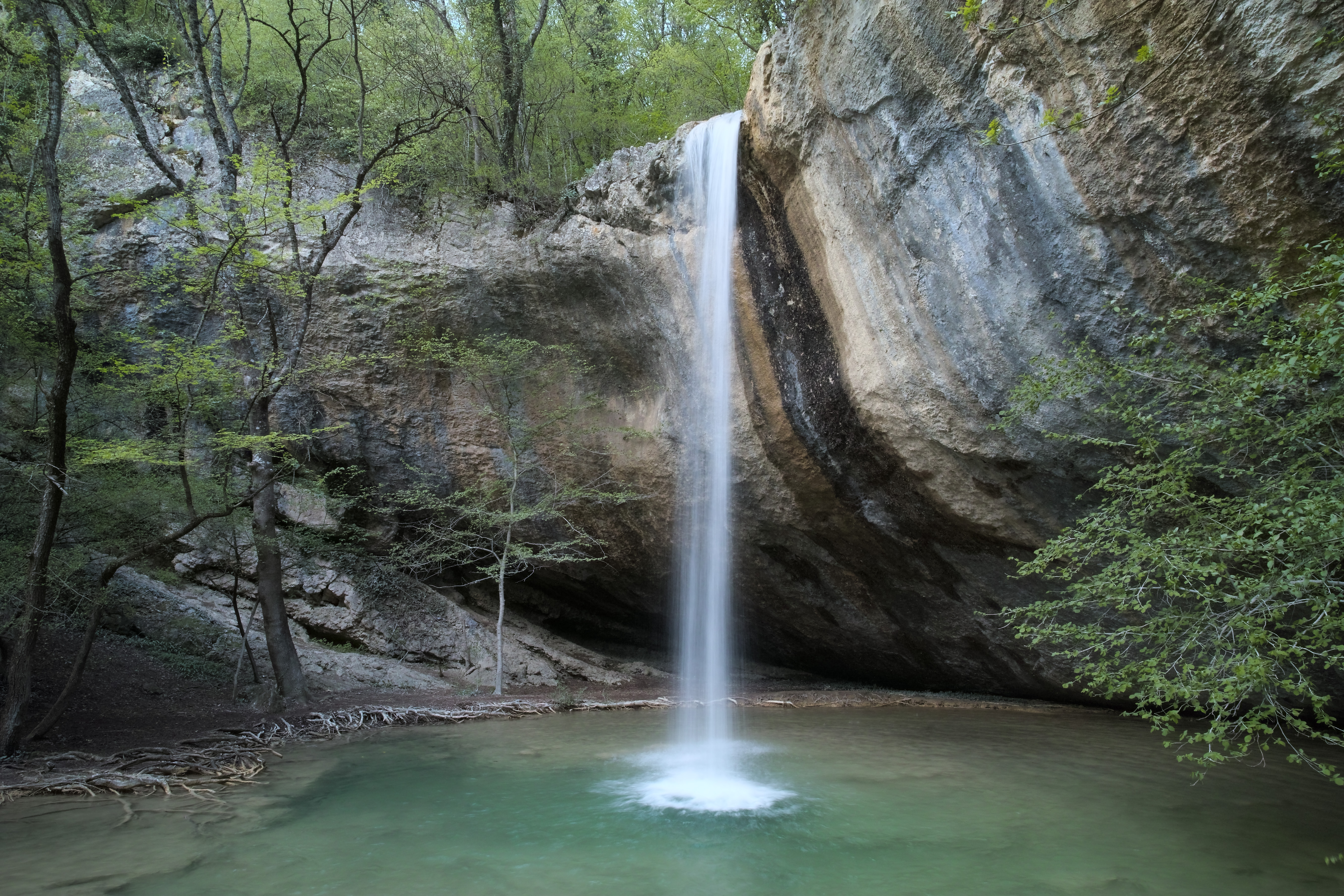
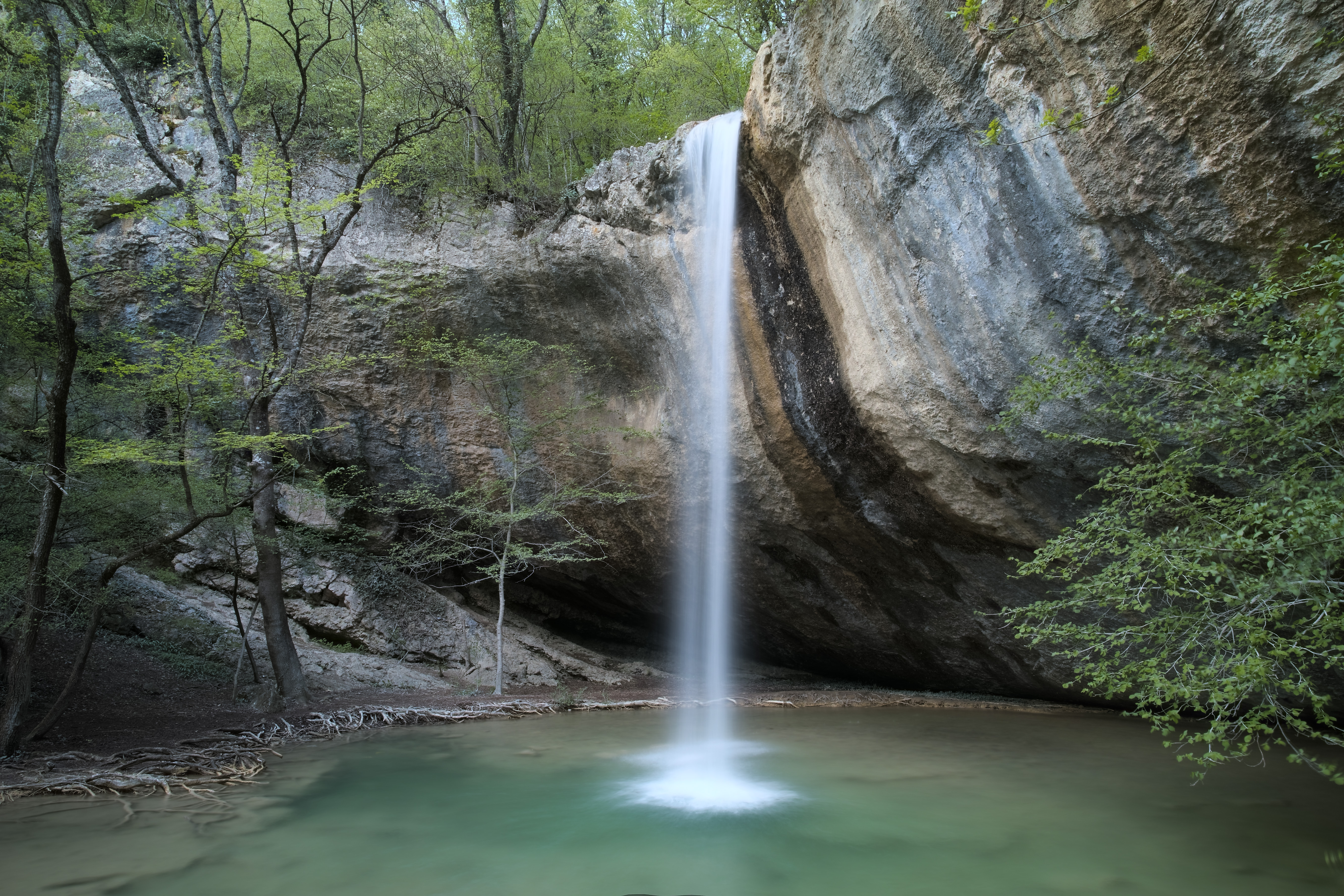
Photo: Serge / dpreviewblog · 500px gallery
How it works
- Mark the shots in the thumbnail strip with Ctrl+click or Shift+click, or select an X3I file.
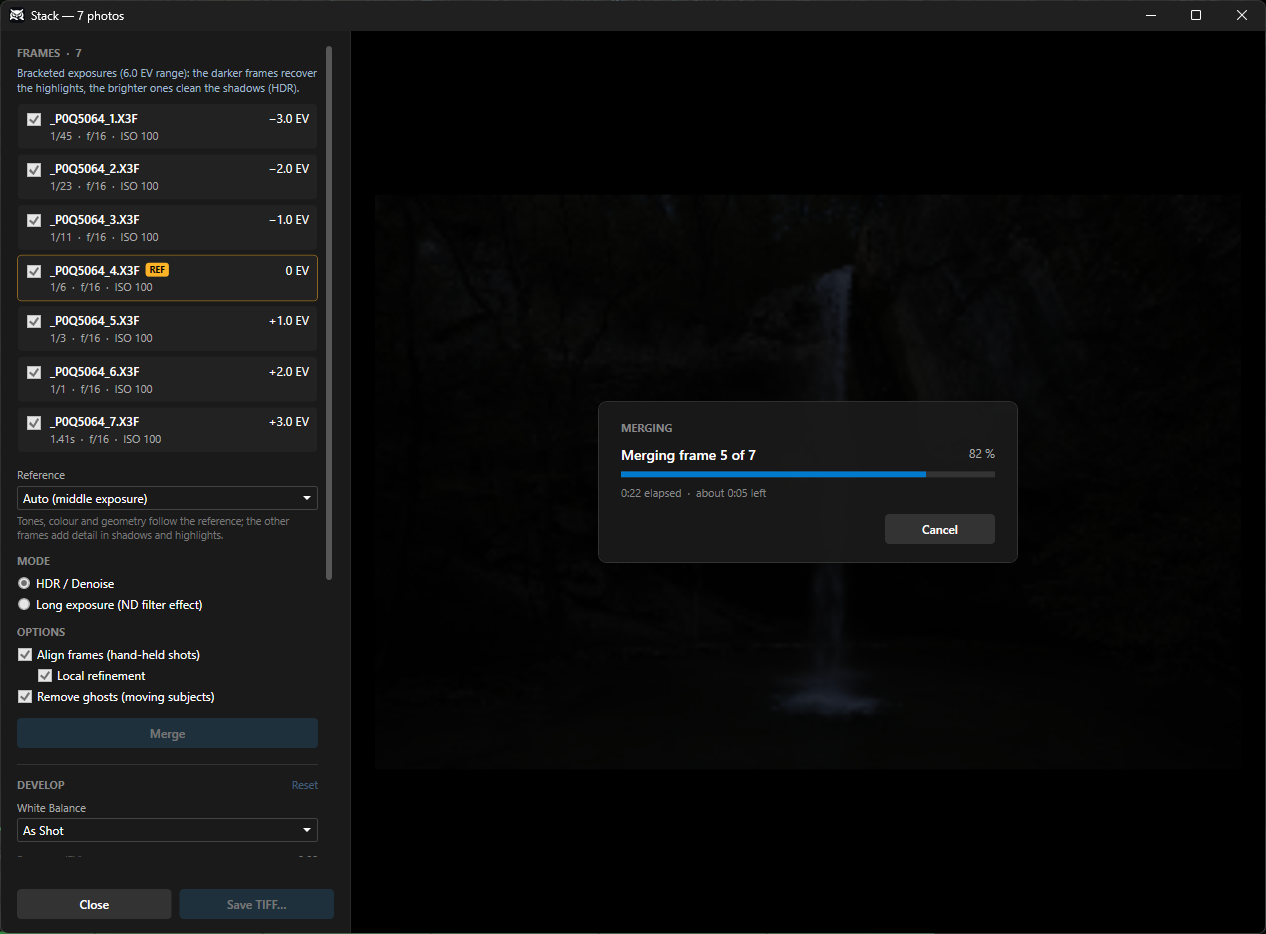
- Choose File → Stack / HDR Merge. The frames are listed with their shutter speed, aperture and ISO.
- Choose the mode and the reference frame. Tones, colour and geometry follow the reference.
- Press Merge. Hand-held shots are aligned automatically, with a local refinement for parallax and small movements.
- Choose a Color Mode and adjust white balance, exposure, Highlights, Fill Light, clarity, texture, contrast, saturation and noise reduction, then save a 16-bit TIFF.
Accurate merging
- The exposure of each frame is measured from the image itself, not taken from the EXIF, so frames that don't match their nominal speed blend without steps.
- Blown areas of the brighter frames are left out, and highlights come from the darker ones. Lamps and the sun keep the detail recorded in the darkest frame instead of turning into blown-out patches.
- Ghost removal runs on the graphics card when one with OpenCL is available.